
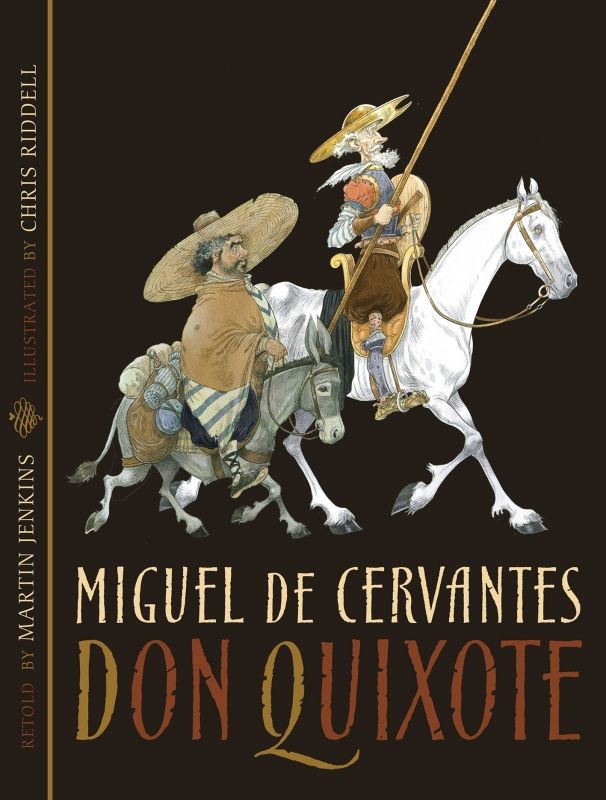
The novel Don Quixote by Miguel de Cervantes is widely recognized as one of the most influential works in world literature. Written in Spain in the early 17th century, the novel was first published in two parts in 1605 and 1615. It tells the story of a nobleman, Don Quixote, who sets out on a journey as a self-proclaimed knight to uphold justice, despite often clashing with reality.
The story centers on Don Quixote, who becomes deeply obsessed with tales of chivalry and decides to live as a knight-errant. He is accompanied by Sancho Panza, a humble farmer who faithfully serves as his companion. Throughout their journey, Don Quixote encounters various situations that highlight the contrast between imagination and reality.
The plot presents a series of adventures filled with humor, social criticism, and philosophical reflection. The conflicts in the story are not only external but also reflect the tension between idealism and reality. This makes Don Quixote not only entertaining but also meaningful and thought-provoking.
In terms of style, Cervantes employs a unique narrative technique that blends satire with adventurous storytelling. This approach allows readers to gain insight into the social conditions of the time, including criticism of cultural values and societal norms. Don Quixote is portrayed as an idealistic figure, while Sancho Panza represents a more practical and realistic perspective.
Overall, Don Quixote is a literary work of high historical and philosophical value. It offers more than just a story of adventure, presenting a deeper reflection on dreams, reality, and the human condition. Therefore, this novel remains relevant and suitable as a source of literary study and educational material.