
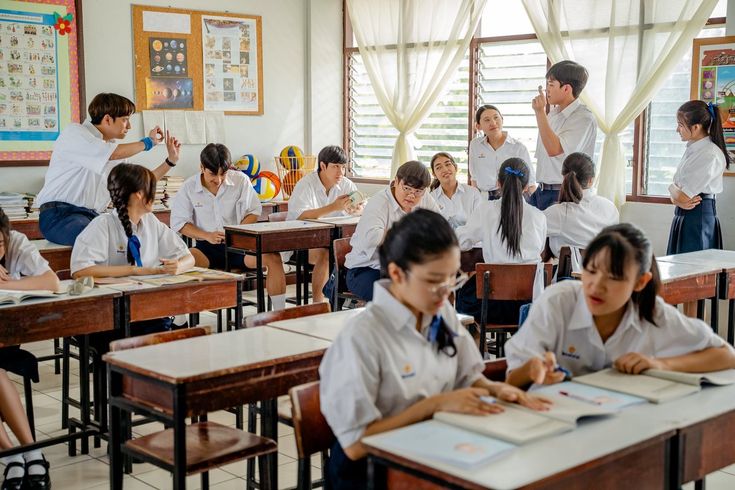
Recent developments in Indonesia’s education sector highlight the government’s commitment to maintaining face-to-face learning as the primary mode of education while dismissing proposals for a return to fully online schooling. The policy emphasizes the importance of direct interaction between teachers and students in fostering academic achievement, social development, and character building.
In addition, educational reforms are increasingly focused on improving teachers’ welfare and professional competence. The government recognizes that quality education depends on qualified and motivated educators. Therefore, various programs are being introduced to enhance teachers’ skills, provide professional development opportunities, and support their overall well-being.
Another key aspect of the reform is the implementation of deep learning approaches in classrooms. This method encourages students to think critically, solve problems creatively, and develop a deeper understanding of concepts rather than simply memorizing information. By promoting active engagement and meaningful learning experiences, deep learning is expected to prepare students for the challenges of the modern world.
These initiatives reflect Indonesia’s ongoing efforts to build a stronger and more inclusive education system. By prioritizing classroom learning, supporting teachers, and adopting innovative teaching methods, the country aims to create a learning environment that equips students with the knowledge, skills, and character needed for future success.